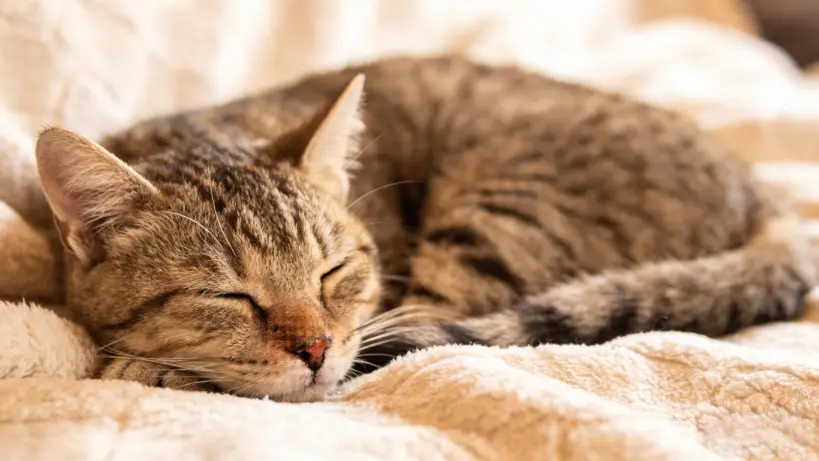
When you’re sitting on the couch with your cat curled up in your lap, purring in a low, steady rhythm, you probably assume they’re completely relaxed.
We often take this gentle vibration as a sign that our cats are happy and content. But scientists have discovered that a cat’s purr is more than just an expression of comfort—it’s likely an innate “self-healing tool” they’re born with.
Every cat’s purr is unique, just like their personality, and it holds physical and emotional clues that are worth taking the time to decode.
First Things First: How Do Cats Purr?
Many people mistakenly believe purring comes from vibrations in a cat’s throat or chest, but the actual mechanism is far more sophisticated. Cats have a central pattern generator in their brainstem that automatically controls the movement of their laryngeal muscles and diaphragm.
These muscles vibrate at a rate of 25 to 150 times per second, and as air passes through the larynx, it creates the purring sound we recognize. What makes this unique is that cats can purr continuously while both inhaling and exhaling.
Even more interestingly, purring is controlled in two ways—it can be an active way for cats to express their mood, or it can occur unconsciously, such as when they’re hurt or relaxed.
More Than Comfort: The Healing Magic of Purr Frequencies
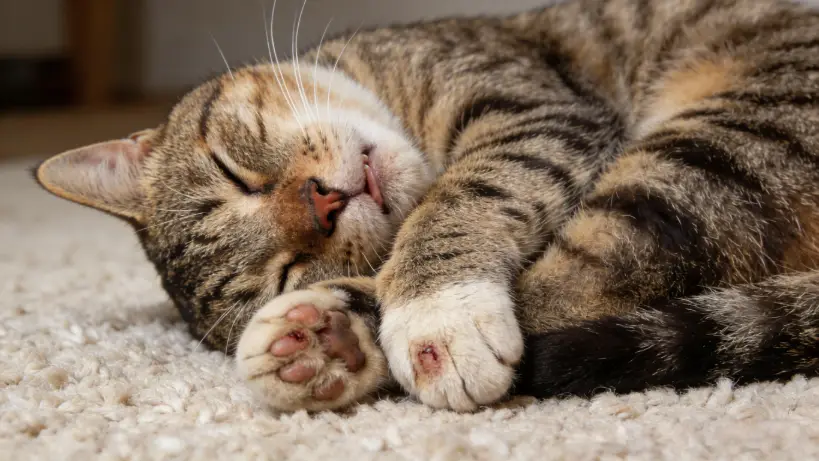
The most remarkable thing about purring is that its low-frequency vibrations fall right within the “therapeutic frequency” range. Studies show that low-frequency vibrations between 20 and 50 hertz can stimulate osteoblast activity, helping cats maintain bone density and speed up fracture healing.
That’s why cats often curl up and purr when injured—this self-generated vibration acts like a built-in therapy device, easing pain and accelerating wound recovery.
Additionally, purring can trigger the release of endorphins in cats’ bodies, helping to reduce chronic pain, lower stress hormone levels, and ease anxiety—all of which are vital for their physical and mental well-being.
Purrs in Different Scenarios: Understanding Your Cat’s “Whispers”
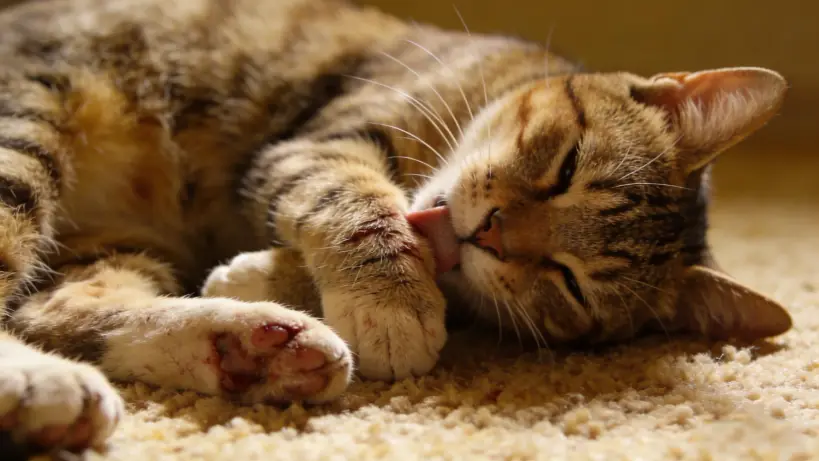
Not all purrs mean the same thing—you need to consider the context and your cat’s body language to truly understand their needs. The most common “happy purr” is usually paired with half-closed eyes and a relaxed posture, often happening when they’re being petted or soaking up the sun.
But cats may also purr in stressful situations, like a trip to the vet or an encounter with a strange pet—it’s their way of self-soothing, much like how we take deep breaths when we’re anxious.
Some cats even purr when they’re sick, injured, or nearing the end of their lives, presumably to ease their discomfort—which further highlights the importance of its self-healing function.
Every Cat Is Unique: Learn to Observe Your Furry Friend
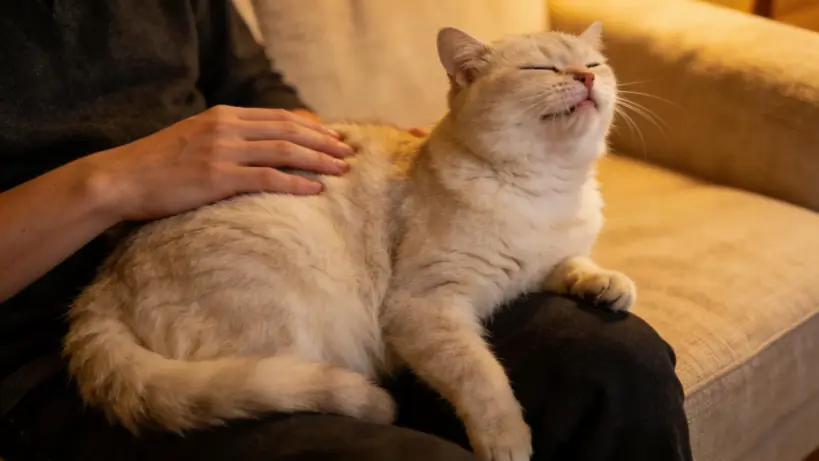
Just as no two cats have identical personalities, their purrs are all distinct. Some cats have deep, soft purrs, while others are a bit more rapid; some only purr when they’re quiet, while others love to purr during play or snuggles.
As a pet parent, it’s important to familiarize yourself with your cat’s normal purring habits—how often they purr, when they do it—to spot any changes. For example, if a cat that rarely purrs suddenly starts purring frequently and seems lethargic, it could be a sign they’re unwell.
Remember, there’s no “one-size-fits-all” purr. Respecting your cat’s uniqueness is the most responsible way to care for them.
Conclusion: Purrs Are a Sign—Vets Are the Backup
Understanding the self-healing mechanism behind your cat’s purr can help you better appreciate their body’s wisdom, but it should never take the place of professional veterinary care. If your cat’s purring seems unusual—such as being accompanied by rapid breathing, loss of appetite, or hiding—don’t dismiss it as “normal self-healing.”
Taking them to the vet promptly to rule out potential health issues is the best way to keep them safe. After all, purring is a cat’s “self-healing aid,” but professional medical care is the solid foundation of their health.
May every purring cat find health and comfort in those gentle vibrations, and may every pet parent learn to understand this unique “signal of love.”