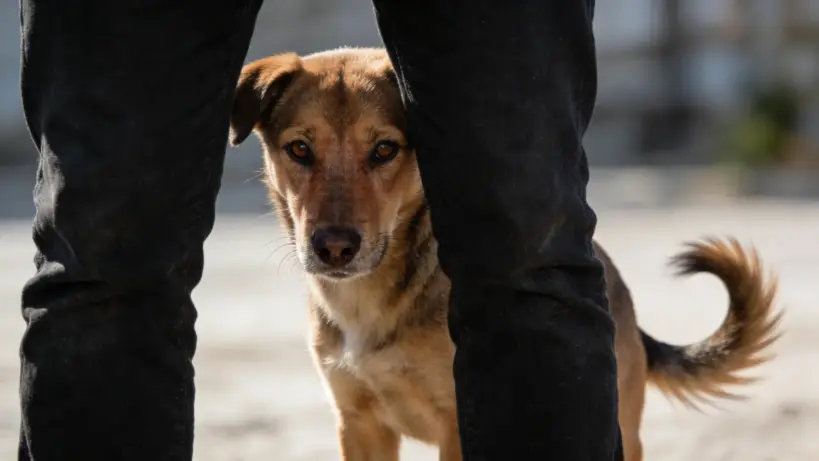
For most dog owners, a wagging tail automatically means a happy pup. But this common mix-up can lead to miscommunication—and even unplanned stress for your furry buddy.
Dogs rely more on nonverbal cues than barks or whines to show how they feel, and their tails are one of their biggest communication tools. Every wag—from how fast it moves to where it’s held—tells its own unique story.
It’s key to remember that every dog is one-of-a-kind; their tail language can vary based on their breed, personality, and past experiences. Let’s break down the five key truths behind a dog’s wagging tail.
Truth 1:Tail Position Matters More Than the Wag Itself
A wagging tail doesn’t always mean happiness—how high it sits relative to your dog’s body tells you how they’re really feeling. A tail held high, near their back, often signals confidence or excitement—but not always joy.
For instance, if your dog’s tail is straight up and wagging fast, they might feel dominant or on high alert—especially in new places. On the flip side, a tail held at mid-height, parallel to the ground, usually means they’re curious and feeling neutral.
A tail that hangs low or is tucked between their legs—even when wagging—is a clear sign they’re uncomfortable or scared. Never mix this up with playfulness—it’s your dog’s way of saying they need some space.
Truth 2:Fast Wags Don’t Always Mean Excitement
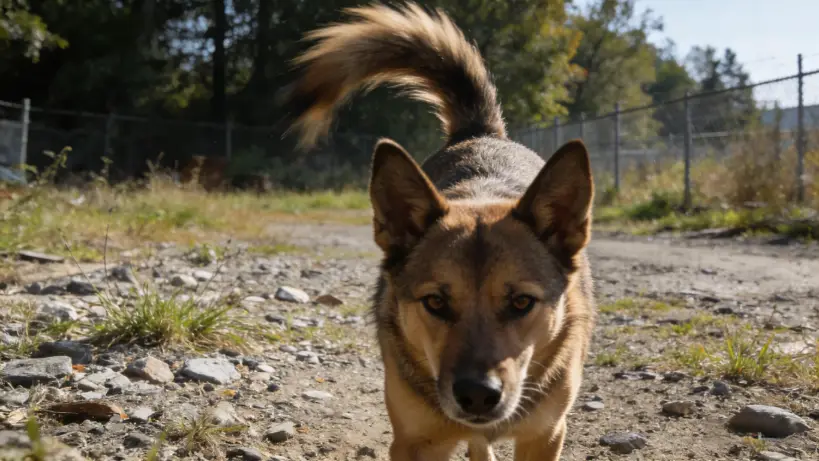
We often link fast tail wags to a happy dog, but speed can also signal stress or irritation. The difference comes down to how tense the tail is and what the rest of their body is doing.
A loose, fast wag—where the tail swings freely from side to side—usually means real excitement, like when you grab their leash for a walk. But a stiff, rapid wag (more like a shake) is a warning sign.
If your dog’s body is tense, their ears are forward, and they’re growling a little while wagging fast, they’re feeling threatened. This is their way of telling you to back off before things escalate.
Truth 3:Slow Wags Signal Caution or Uncertainty
A slow, gentle wag is easy to misread as calmness, but it often means your dog is unsure or nervous. They’re taking their time to check out their surroundings and decide how to react.
You might notice this when your dog meets someone new, another dog, or walks into a room they’ve never been in. Their tail sways slowly, and their body stays relaxed but alert—they’re not happy or scared, just cautious.
In these moments, give your dog time to settle in. Rushing to pet them or pull them forward can make their anxiety worse and break their trust.
Truth 4:Tail Direction Hints at Emotional Bias
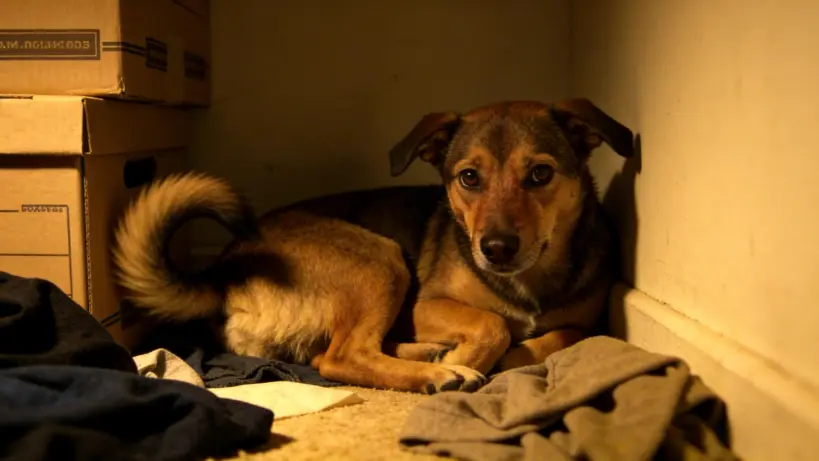
Studies show that the direction a dog’s tail wags can reflect how they’re feeling. A wag that leans to the right (from your dog’s point of view) is tied to positive emotions—like excitement when they see you.
A wag leaning to the left, though, often signals negative feelings: fear, anxiety, or discomfort. That’s because different sides of the brain control different emotions, and that shows up in their tail movement.
This cue is subtle, so it’s best to pair it with other body language—like how their ears are positioned or their facial expressions—to truly understand how your dog is feeling.
Truth 5:No Wagging Can Be Just as Telling
Sometimes, a tail that’s not wagging is just as important as one that is. A still tail, held naturally or a little low, usually means your dog is relaxed and content—they don’t need to show strong emotions.
But a completely stiff, motionless tail—especially if it’s held high—is a sign of aggression or extreme alertness. Your dog is on high alert, and any sudden movement could make them defensive.
Pay attention to these quiet moments—they’re just as important as the more obvious wags when it comes to understanding your dog’s mood.
Listen to Your Dog’s Whole Story
Learning to read your dog’s tail language takes patience and careful observation. Remember, every dog is unique—what’s normal for one pup might be different for yours.
If you notice sudden changes in how your dog wags their tail—like keeping it tucked all the time, stiff wagging, or not wagging at all—along with other signs of distress (like hiding, growling, or loss of appetite), it’s time to call your vet.
Your vet can rule out any underlying health issues that might be making them uncomfortable or changing their behavior. By learning to read their tail cues, you’ll build a stronger, more trusting bond with your furry family member.