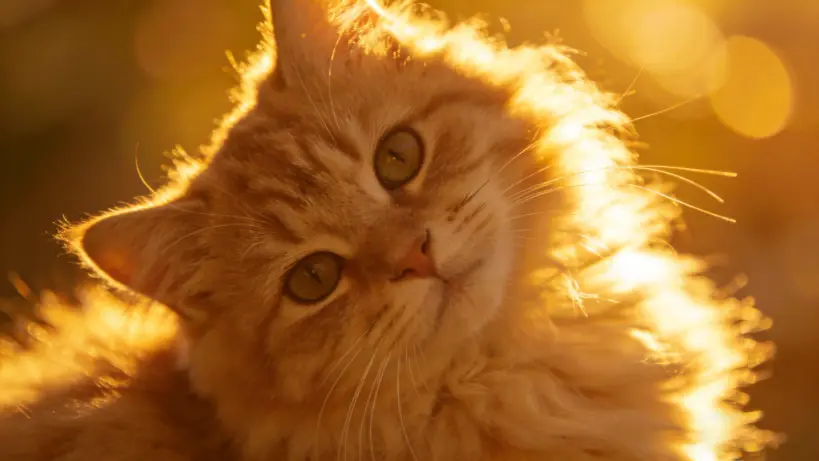
Every cat owner has been there: you call your feline’s name, and they either flick an ear, stare blankly, or walk away.
It’s easy to wonder—do cats actually recognize their names, or are we just projecting our hopes onto them?
A groundbreaking study from Japanese researchers set out to answer this question, and the results might surprise you.
Unlike dogs, who often respond enthusiastically, cats have a more subtle way of showing they’re listening.
And every cat’s reaction is uniquely their own.
The Japanese Study: How It Worked
Led by Atsuko Saito, an associate professor at Sophia University, the study tested 67 cats.
Some were from family homes, others from cat cafes—all to see if they could distinguish their names from other sounds.
Researchers had owners and strangers call the cats four times with similar-sounding words.
Then, they called the cat’s actual name and observed subtle reactions: ear twitches, head turns, tail flicks, or soft meows.
The key finding? 44 of the 67 cats reacted more when their own name was called—even by strangers.
This wasn’t just coincidence—it was evidence of recognition.
It’s Not “Understanding”—It’s Association
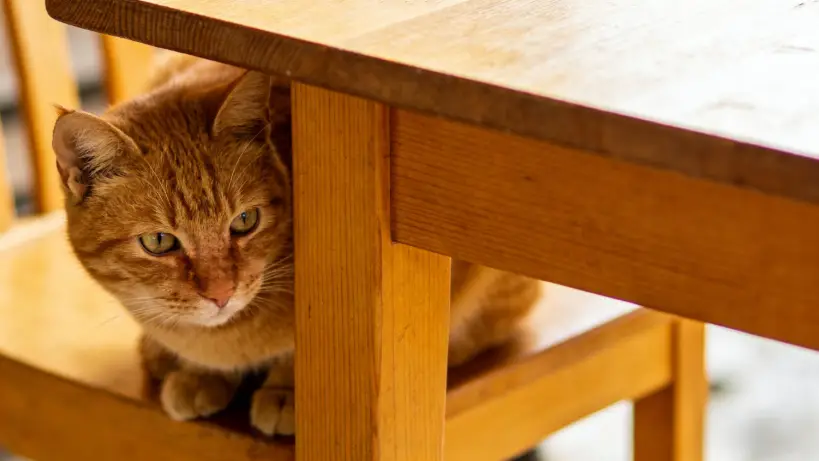
One important takeaway: cats don’t recognize their names like humans do.
They don’t link the sound to a sense of “self” or identity.
Instead, they associate their name with specific outcomes: mealtime, playtime, or gentle petting.
Over time, the sound becomes a signal that something relevant to them is coming.
This explains why some cats ignore their names: no positive pairing means no reason to respond.
Every cat’s association is shaped by their unique life with their owner.
Why Some Cats Are “More Responsive” Than Others
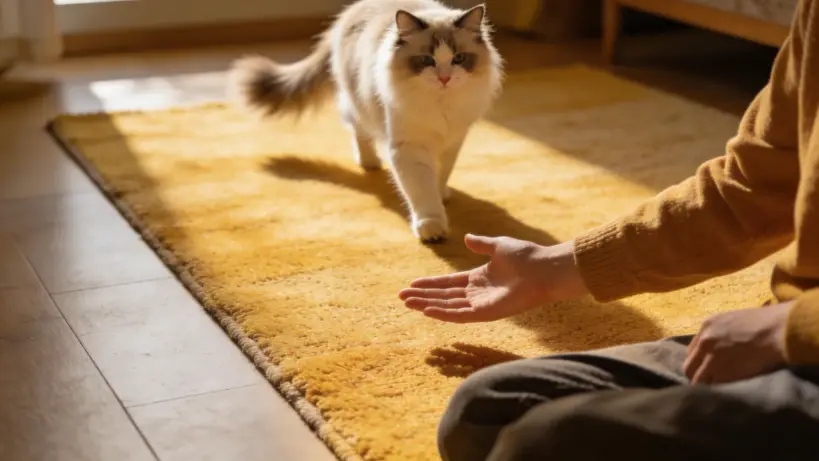
The study uncovered differences in cat responses, highlighting their uniqueness.
Household cats were more consistent at recognizing their names than cafe cats.
Cat cafe cats struggled to tell their name apart from others.
They hear many names paired with rewards and can’t single out their own.
Other factors matter too: age, personality, and consistent name use all play a role.
Shy cats might twitch an ear; outgoing ones might meow and approach—both are valid.
What This Means for You and Your Cat
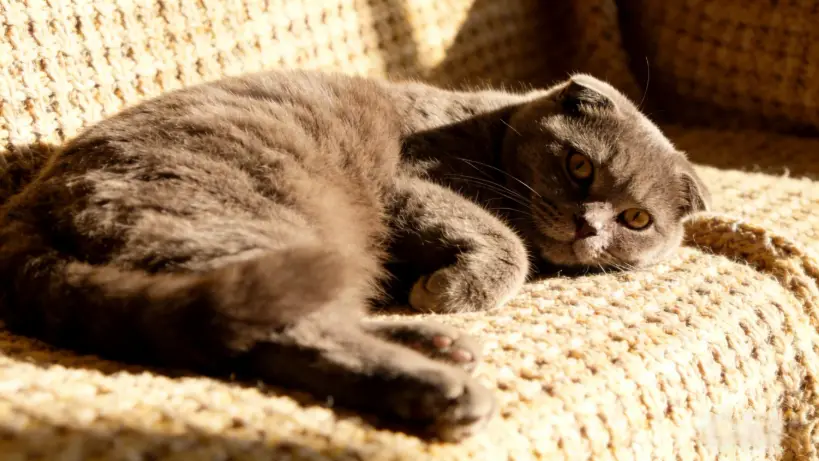
Don’t worry if your cat doesn’t come running when you call their name.
A lack of drama doesn’t mean no recognition—it just means they’re being a cat, on their terms.
To strengthen the association, use their name consistently (avoid too many nicknames).
Pair it with something they love, like a treat or favorite toy.
Remember: every cat is unique. Some are chatty and responsive; others are quiet and subtle.
Both are perfect in their own way.
When to Check in With a Vet
Most cats’ lack of response is just their personality.
But a sudden change in behavior—like stopping response—could be a concern.
Hearing loss, stress, or health issues can affect their willingness to react.
If you notice other changes—hiding, loss of appetite, lethargy—consult your vet promptly.
Veterinarians can rule out health problems and offer guidance.
This ensures your unique feline stays happy and healthy for years to come.